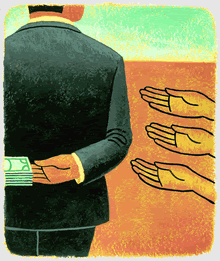
A sales director once bragged at an office party about how he had bribed several large retail customers. Some only responded to very large gifts, he said, recalling one case when he discreetly pushed a car key to the other side of the negotiating table. The trick was to find out what they liked, and then you were almost done.
I was one of this man’s employees – during a stint at this particular company that was mercifully short. What bothered me the most about his remarks was the way he bragged about it. In that company, as in countless others, bribery was not only tolerated, it was cool. If you wanted to become a successful marketing executive, this was what they expected of you.
I was reminded of this episode when I heard about the arrest of a former executive board member of Siemens last week and the decision of the British government to end a corruption investigation against BAE Systems on political grounds. The two cases are different and I am not sure which is worse. The German case is symbolic of the deeply ingrained corruption in that country’s corporate sector. Siemens is not an isolated case. There have also been high-profile corruption cases recently at Volkswagen and DaimlerChrysler, but the British case differs in one respect. Here the government intervened in favour of those accused of corruption.
See full Article (paid subscription required).







 Posts
Posts