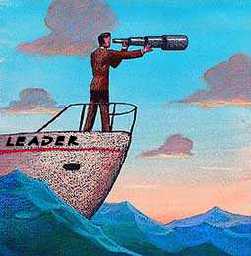
This economic downturn has been dramatic and quick and the emotional effects on people have been substantial. Not only have employees suddenly left their organisations, but for those remaining, their roles have often changed -they may need to create and achieve new strategies, often managing with fewer people and on reduced budgets. The personal wellbeing of our leaders is a priority at this time when we are expecting so much of them.
An example of such pressures on leaders is that of a newly appointed senior director in a global pharmaceutical company: suddenly he is faced with bigger responsibilities, implementing a new strategy, with a slimmer team and tight resources. Travel cuts have shut him off from his new US team, who are responding by showing every sign of disengagement –they are not totally aligned, they have become less collaborative and with low energy.
This experience is not untypical - the very real effects of the recession are that people tend to be less open in a fearful and uncertain atmosphere, communication dries up as people close down and become more wary as they retreat into themselves. Silo mentality increases and rumours and assumptions are made which generate further any feelings of mistrust. Leaders are feeling pressured into operating in ways which are uncomfortable for them.
See full Article, in pdf format.







 Posts
Posts